
There was only one person missing from the dinner table.
Everyone else was already seated with full plates. The warm evening air carried the scent of grilled fish, creamy vegetable soup, and freshly cut grass. Someone was pouring wine. Someone else was laughing about a bicycle that had somehow ended up buried in the sand.
It was the end of a long spring weekend in the beautiful lakes and forests of northern Poland. Night was falling over the countryside, where after dark all you can hear are dogs barking in the distance, birds settling for the night, and the wind rattling old barns.
“His back’s been bothering him since that cycling trip,” his wife said casually. “He’s gone to lie down for a while.”
Nobody thought much of it. Just fatigue after a busy day outdoors. A few minutes passed. Then a few more. He didn’t return.
When his wife went to call him for dinner, she saw his legs first, hanging awkwardly from the bed. Then his face. Grey. Sweating. Struggling for air.
A gasping, irregular breath. His last. The scream that shattered the silence seconds later brought the entire house running.
In moments like these, time stops behaving normally. Seconds stretch into minutes. Someone rushes into the room. Someone knocks over a chair. Someone can’t unlock their phone because their hands are shaking so badly.
112… The emergency dispatcher answers immediately.
“Is the patient breathing?”
“I don’t know… I don’t think so… Oh God, he’s turning blue…”
“Lay him flat on his back on a hard surface. Can you hear me? We’re going to start chest compressions.”
And then the fight begins. A brutal, exhausting, physical fight for life. Two hands locked together in the centre of the chest. Body weight driving down through straight arms. Hard. Harder.
The man beneath her doesn’t react. His chest sinks rhythmically under each compression. Ribs crack.
One. Two. Three. Four.
The dispatcher counts the relentless rhythm through the speakerphone.
In the corner, his wife kneels with her face buried in her hands, trying to silence her sobs. Someone opens a window. The room fills with the smell of sweat and raw panic.
Cardiac arrest. The diagnosis takes a fraction of a second. The heart has stopped, and an invisible countdown has begun. Without oxygen, the brain starts to die within four to five minutes. Every minute after that means irreversible damage. The reality of rural life can be unforgiving.
The nearest ambulance is around thirty minutes away. Thirty minutes is not a long time in everyday life. In cardiac arrest, it is an eternity.
After just two minutes of compressions, shoulders and arms begin to burn. Muscles scream for relief. Someone else takes over. Then another. The pace—more than one hundred compressions every minute—is exhausting.
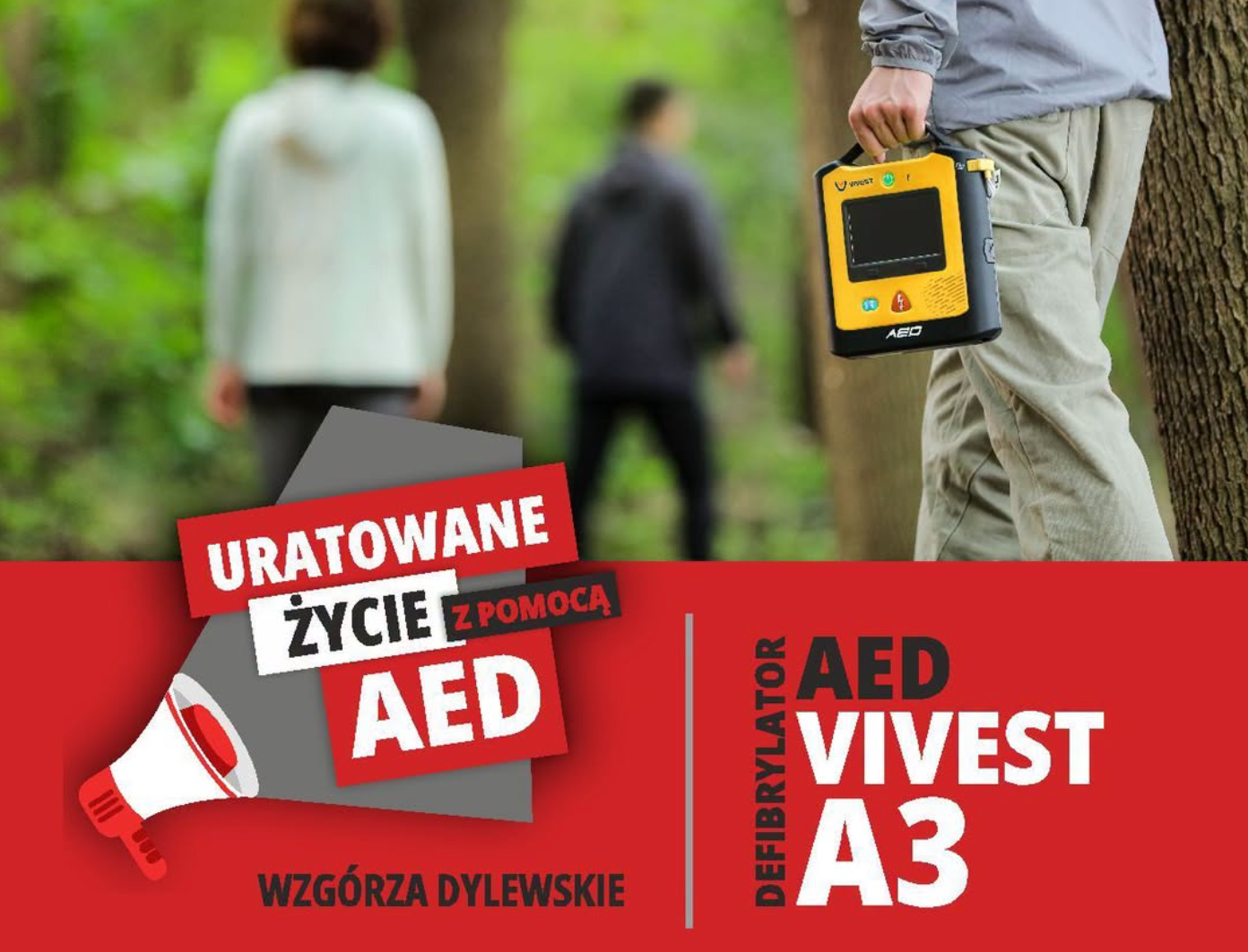
Then, in the middle of the chaos, someone remembers something. A hotel sits just a few hundred metres away. A few months earlier, the owners had purchased an AED—a public access defibrillator—and installed it on the reception wall. They had organised staff training. People practised with training manikins. Questions were asked. Procedures were learned. Most importantly, management had made one simple decision.
“If anything happens nearby, whether it’s here or at a neighbour’s property, this AED is for everyone.”
A quick phone call is made. “We have a man who’s not breathing. Bring the defibrillator.” The hotel employee doesn’t hesitate. He grabs the AED and runs.
Minutes later, the device is beside the patient. Calmly, without emotion, it begins to speak.
“Open the electrode package.”
“Remove the backing.”
“Attach the pads to the patient’s bare chest.”
The room falls silent.
“Analysing heart rhythm. Do not touch the patient.”
Everyone freezes. Seconds feel impossibly heavy. Then the words come.
“Shock advised.”
Hope, delivered by an algorithm. Someone presses the flashing button. The shock is delivered.
“Resume chest compressions.”
And so they continue. Not because they know they’re doing everything perfectly. But because action is what saves lives.
Twenty minutes after the emergency call, firefighters arrive and take over CPR. Oxygen is connected. Exhausted bystanders finally get a chance to step back. Ten minutes later, the ambulance arrives. Thirty minutes after the man’s heart stopped.
The paramedics take control. IV access. Airway management. ECG. Medication. Stretcher. Before closing the ambulance doors, one of them turns to the group standing outside. Their faces are pale. Their hands are still trembling.
“You saved his life,” he says. “If it wasn’t for the CPR and that AED, we would have arrived too late.”
This isn’t a story about a miracle. It’s a story about preparation. Someone chose to invest in an AED. Staff took their training seriously. The dispatcher guided people through the worst moments of their lives. Bystanders acted instead of freezing. Firefighters arrived before the ambulance. And a community looked after its own.
That night, the difference between life and death came down to a few miles of road and a small yellow box hanging on a hotel wall. The tragedy is that in countless villages, holiday parks, schools, workplaces and communities, that box simply isn’t there.
The next time you travel somewhere remote, take a moment to look around. Is there an AED nearby? Would anyone know where to find it? Would anyone know how to use it? Because when cardiac arrest strikes, silence arrives suddenly. And in that silence, there is only one thing you’ll be hoping to hear.
A single, deep breath.
Visit our website at